Marine information
We are responsible for marine safety, marine environment protection and coastal facilities.
Including: marine safety; navigation aids; nautical charts, tides, waves, and notices to mariners; Australian Builder's Plate, BoatCode, commercial vessel surveys and jetty licensing; Certificates of Competency and Recreational Skipper's Ticket; oil pollution and management of coastal erosion; boat ramps, jetties, moorings and regional/metropolitan boat harbours; and coastal facilities planning and development.
Subscribe to the Boating Communities newsletter
Australian Boater Survey
Western Australians can now participate in the Australian Boater Survey.
- Start the survey (external web site)
Data recorded in the survey will be used in decision making about future recreational boating safety campaigns and infrastructure development in WA.
Those who register to participate before November could win a GPS chipped 406 EPIRB or a 12 month subscription to Boattrader donated by Boating Industries WA members.
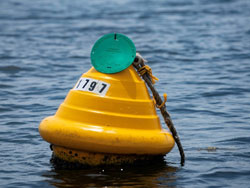
Upgrade of navigation aids on the Swan River
Boat owners taking to the water on the Swan River from July, 2013, are advised work will begin in July on the final stage of a major project to upgrade navigation aids.
The work will see 40 changes to help guide skippers through the most challenging parts of Melville Water both day and night.
- Upgrade of navigation aids on the Swan River (pdf 45KB)
- Proposed navigation aid network (pdf 1.4MB)
- Swan Canning Riverpark boating guide (pdf 2.2MB)
You're the skipper, you're responsible
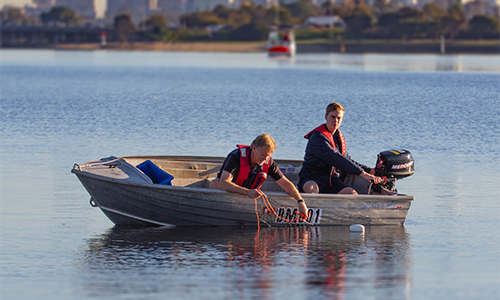
"You're the skipper, you're responsible" is the key message to boat owners in a new marine safety education campaign launched in the summer of 2011/12.
The Department of Transport is challenging skippers throughout WA to take responsibility for their actions on the water.
The campaign aims to reduce the number of boating incidents in WA, which last year grew by 37 per cent in the recreational sector.
Skippers are responsible for the safety of their vessel, those on board and other water users operating nearby and they have direct control over the major factors which contribute to incidents on the water.
By taking control, always observing the regulations and meeting the safety requirements for their vessel every skipper can do their part in reducing the number of boating incidents and deaths on the water.
The campaign will support a range of specific safety education messages to address the major causes of incidents as identified in statistics or trends in boating behaviour observed on the water.